Do you scroll through tutorials, see endless product lists, and feel like any choice risks looking overdone or wasting money? You are not alone. Women in their 20s to 40s often want a polished, natural look without breaking the bank or spending hours on a routine. But so much conflicting advice, fast-moving trends, and marketing noise make it hard to choose. Why does this happen, and what practical paths can you take instead?
3 key factors when deciding on a makeup and skincare routine
Before comparing popular approaches, let’s agree on what matters. If you evaluate options with these factors in mind, picking a routine becomes simpler and more personal.
- Skin needs and goals: Are you dealing with dryness, oiliness, acne, sensitivity, uneven tone, or early signs of aging? Short-term desires (clearer skin, quick brightening) and long-term goals (preventing lines, maintaining elasticity) guide different choices. Time and habits: How much time can you realistically commit each morning and evening? Consistency beats complexity. A plan that fits your schedule has a far better chance of sticking. Budget and product utility: How much do you want to spend monthly or yearly? Consider multipurpose products or targeted splurges on items that actually change outcomes - like sunscreen or a good cleanser - rather than impulse buys driven by packaging.
Ask yourself: What problem do I actually want to solve? What is a realistic daily step I can maintain? What would be a smart place to spend instead of buying every new serum?
Traditional multi-step routines: Pros, cons, and the hidden costs
The classic multi-step routine - think 10 steps of double cleansing, toners, multiple serums, coverclap.com essences, masks, and creams - promises dramatic results. This approach became popular with skin-care cultures that prioritize ritual and layering. What does this method offer, and where does it trip people up?
Pros
- Comprehensive coverage: You can address multiple issues at once - hydration, exfoliation, pigmentation, and moisture barrier repair. Customization opportunities: If you know which actives suit you, layering allows precise targeting. Visible ritual benefits: For some, the ritual is calming and helps maintain consistency.
Cons and real costs
- Decision fatigue: Too many choices lead to analysis paralysis. Which serum is worth it? Do I need both AHA and BHA? Expense compounds: Even modestly priced items add up fast. Ten items at $15 each become a sizable monthly outlay. Skin irritation risk: Layering too many actives increases the chance of reactions, especially if products aren’t compatible. Time burden: Ten steps require time and discipline. Busy mornings and nights make long routines hard to sustain.
In contrast to simpler systems, the multi-step path can deliver results but often demands education, time, and money. For someone who wants a natural look without overdoing it, the traditional route can be overkill unless carefully tailored.
How minimalist "skinimalism" approaches differ from the 10-step routine
Skinimalism is a modern alternative that focuses on fewer products with multi-role benefits. It champions healthy skin over heavy coverage and encourages smart, minimal steps that build good skin over time. How is this different in practice?
What skinimalism prioritizes
- Essentials only: Cleanser, sunscreen, one targeted treatment (if needed), and moisturizer. Makeup is pared down to products that enhance rather than hide. Consistency over complexity: Using a small set consistently yields better outcomes than occasionally using many products. Natural finish: Makeup techniques aim to even tone and brighten without heavy contouring or thick foundation.
Advantages
- Lower cost and less clutter: You buy fewer items and use them up before replacing. Reduced irritation: Fewer active ingredients lower the chance of sensitivity. Speed and simplicity: Morning routines can be five minutes, which increases adherence.
Limitations
- Slower visible change for complex issues: Hyperpigmentation or deep acne scars may need more targeted, sometimes layered treatments. Requires knowledge to choose effective core products: If you pick the wrong sunscreen or moisturizer, keeping it simple won’t help.
On the other hand, if your priority is a natural, camera-ready look without effort, the minimalist route often gets you closer to that goal than piling on product after product.
Targeted hybrid routines: mixing basics with occasional treatments
Between the multi-step and minimalist extremes sits a pragmatic middle path: a hybrid routine that is minimal most days but includes targeted treatments periodically. This approach reads like a toolbox - keep the essentials handy and bring out specialized tools when needed.
How it works
- Daily core routine: cleanse, treat one active if needed, moisturize, and sunscreen in the morning. Weekly or monthly extras: a chemical exfoliant once or twice a week, an occasional sheet or clay mask, or a professional facial every few months. Seasonal adjustments: richer creams in winter, lighter formulas in summer; adding retinol at night a few times per week rather than nightly.
Why this can be the best compromise
- Cost-effective: You spend on a few reliable items and on occasional treatments that make a real difference. Flexible: Your routine adapts to skin changes, stress, travel, and seasons. Results-oriented: Targeted therapies handle specific problems without creating daily complexity.
Similarly, you can apply this logic to makeup. Use a tinted SPF or lightweight BB cream for daily wear, and reserve foundation, contour, or bold eye looks for special occasions. This balances a natural everyday appearance with the ability to ramp up when desired.
Choosing the right routine for your skin, budget, and life
How do you pick among these paths? Consider a few practical questions, and test small changes rather than overhauling everything at once.
Questions to ask yourself
What is the single biggest skin issue I want to address in the next 3-6 months? How many minutes can I commit to morning and evening steps without feeling stressed? Which item would change my daily outcome the most if upgraded - cleanser, sunscreen, or moisturizer? Am I sensitive to fragrance or known irritants?Decision guide - a simple flow
- If you want simplicity and low cost: start with skinimalism. Buy a gentle cleanser, a moisturizing sunscreen, and a versatile moisturizer. Add tinted sunscreen or a light concealer for makeup. If you have specific concerns like acne or stubborn hyperpigmentation: choose a hybrid plan. Keep the basics daily and add proven actives (benzoyl peroxide or adapalene for acne, vitamin C or AHA for dark spots) used in controlled doses. If you enjoy skincare as a hobby and have time: the traditional multi-step route can be rewarding. But avoid copying a full routine without understanding the function of each step - pick items that work together.
In contrast to buying everything you see on social media, picking one measurable goal and a 90-day plan reduces waste and clarifies outcomes. Want fewer breakouts? Track frequency and severity. Want an even tone? Track changes in pigmentation with photos under consistent lighting.
Practical, budget-friendly tips for a natural look
What daily choices make the biggest difference without adding bulk or cost?
- Prioritize sunscreen: The single best anti-aging and skin-tone tool. Use a broad-spectrum SPF 30+ daily. A tinted SPF can replace foundation for everyday natural coverage. Choose multifunctional products: Tinted moisturizers, moisturizers with built-in sunscreen, and multifunctional serums reduce product count and expense. Master light coverage techniques: Tap products on with a damp sponge or your fingertips to avoid cake. Layer thinly; build only where needed. Invest in two good color-correctors: A peachy concealer for under-eye darkness and a green or yellow-leaning corrector for redness can do more than a dozen products. Pick one active at a time: If you’re introducing retinol, stop strong exfoliants until your skin adapts. This avoids irritation and wasted product. Replace not multiply: Finish one product before buying another similar product. This saves money and clarifies what works for you.
How to test whether a product is worth keeping
Are you ghosting products after a week? That’s normal. Use this short test plan:
Pick one new product at a time. Use it for 6 to 12 weeks unless you have a bad reaction. Track observable changes: oil control, breakouts, texture, firmness, and tone. Take photos once every two weeks under the same lighting. If no change after 12 weeks and no irritation, consider whether it’s adding value. If not, don’t repurchase.Why 12 weeks? Skin cell turnover and most active ingredients need time to show steady improvement. Short-term novelty or placebo effects can mislead you into repeating the purchase cycle endlessly.
Summary - what to take away and how to start tomorrow
Feeling overwhelmed is usually not about your willpower. It’s about too many choices, high-pressure marketing, and unclear priorities. Pick an approach that fits your life: a minimalist routine if you want speed and low cost; a hybrid if you have specific targets; or an expanded routine if you enjoy experimenting and have the budget and time.
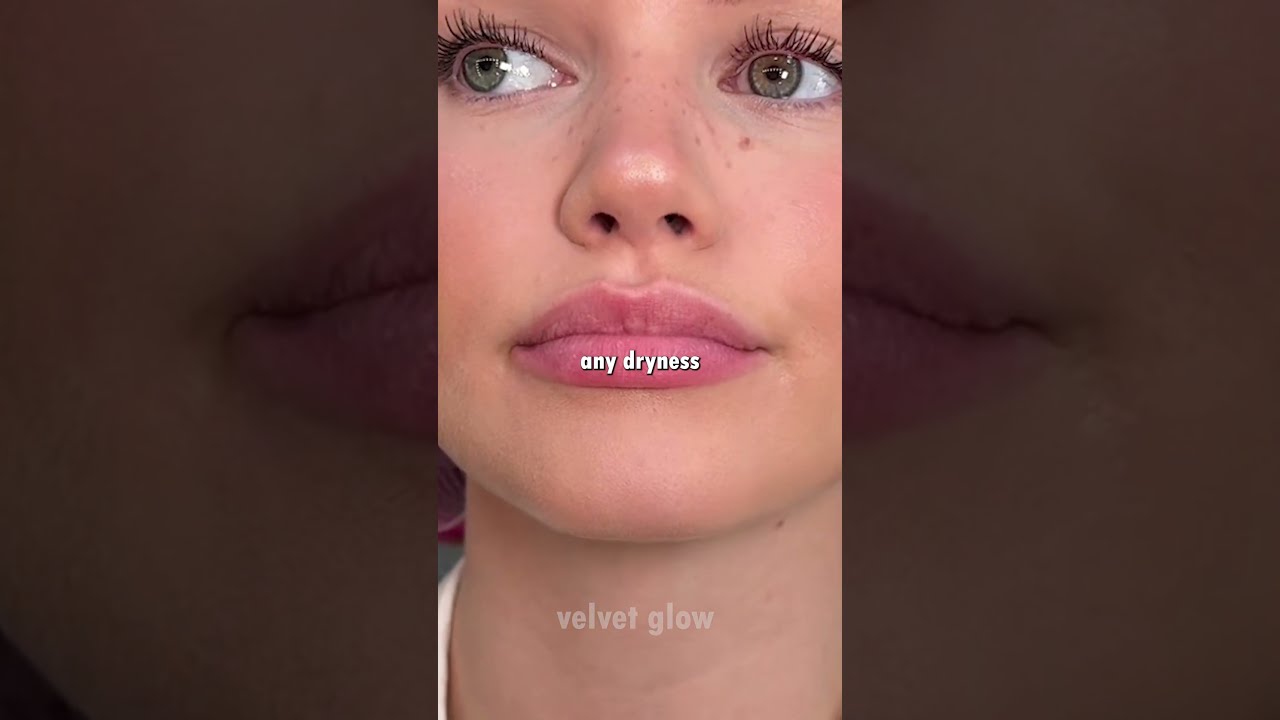
Start with three moves tomorrow:

Want a customized quick routine for your exact skin type and schedule? Ask me three things: your skin concerns, how many minutes you have each day, and your monthly budget. I’ll suggest a simple, realistic plan you can realistically stick with—no fluff, no guilt.